Wildlife Ready
An active garden is a happy garden. No summer afternoon would be complete without the harmonious buzz of insects, the symphony of chirping birds and the darting flutters of numerous butterflies. That’s why it is important to keep wildlife in mind when planning your spaces. Why not try one of these mini projects and help out our garden creatures?
Pond
Attract more insects, give birds a place to drink and bathe, and maybe even home the odd frog or newt!
Log Pile
Something as simple as a pile of sticks is a great home for insects, and a home for insects means fast food for birds, amphibians and hedgehogs.
Bird Boxes
If you really want to have an impact, why not give a bird a home. Birds will happily take a rent-free room, and although most will have nested by late spring/early summer, you should still see plenty of activity.
There are loads of ways to make your garden wildlife-friendly all year round. You can read more here.
Planting
Perhaps the most important feature of any garden are the flowers. They provide the perfect opportunity to personalise your outdoor space and can be arranged however you feel works best. You might choose to layer plants with depth, build up your beds with height, contrast them with colour or even arrange by aromatics! It’s up to you, and there are loads of plants to choose from. Here are 5 of our favourites.
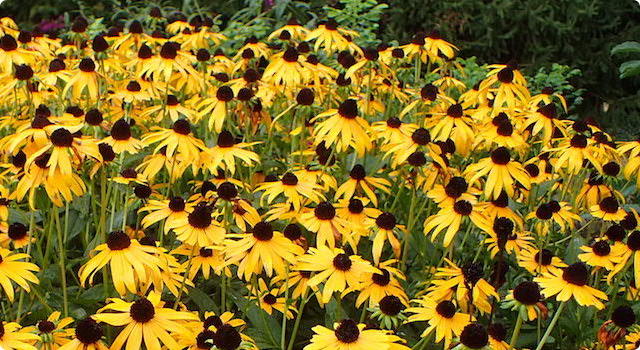
Rudbeckia 'Goldsturm'
If you’re looking to brighten up a bed, look no further than the Rudbeckia ‘Goldsturm’. These beauties clump together in groups and typically grow around 60cm tall. This makes them a great architectural plant, perfect for building height and depth in a bed, as well as contributing an unignorable pop of summer gold. Keep them watered and trim the odd deadhead and they should look after themselves, even in partial shade!
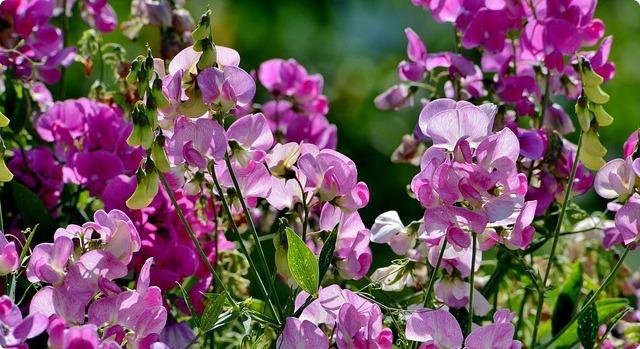
Sweet Pea (Lathyrus)
These Italian natives are a British garden favourite. Sweet peas are climbing plants that can reach as high as 2 meters when supported properly by something like netting or a trellis. While very brightly coloured, the standout feature of these flowers are their strong smell, which has led to their use in fragrances leading back to the victorian era! This makes them popular with bees, butterflies and other pollinators, but can also attract unwanted attention from slugs, snails and aphids - so keep a close eye on them!
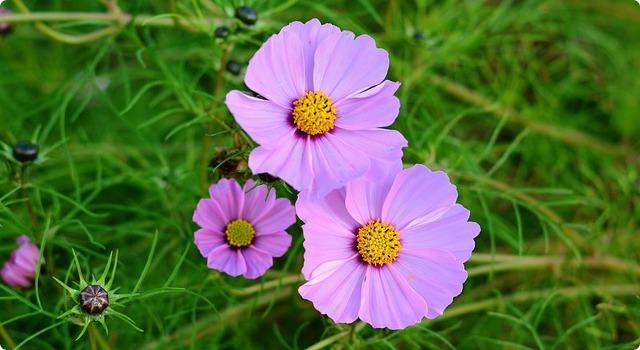
Cosmos Bipinnatus
If you’re looking for something a little easier to look after, you might like the Cosmos Bipinnatus. These hardy flowers come in pinks, whites, oranges and reds, and can grow in most conditions (although they flower best in full sun). These are another strong smeller and their height makes them good for layering up beds, like the Rudbeckia. Their real standout feature, however, is how easy they are to grow; simply scattering seeds will likely result in success, and once developed they self-sow, meaning you won’t need to worry about them again.
Petunias
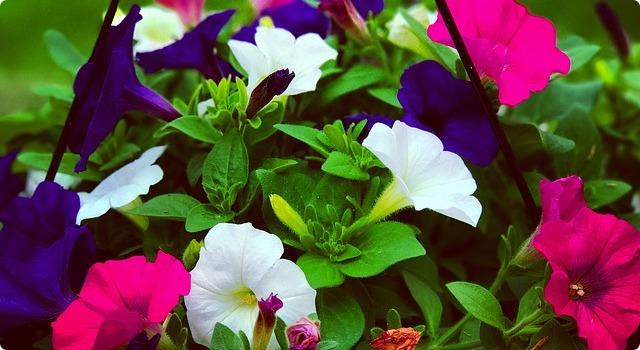
When it comes to picking a petunia, you have a lot of options. There are roughly 35 species and each one is totally unique in colour and pattern. Most species won’t grow higher than around 25cm, which makes them good for lining a bed, planter or hanging basket. These plants will need constant watering without rain, and might even need plant food if you want to prolong the flowering period, although a good nutritious soil will do just fine.
Mint
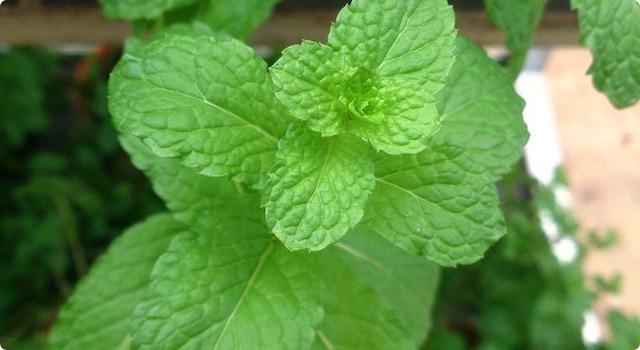
Now mint might not be everyone’s go-to when thinking of summer garden plants, and it can be a tricky one to contain in a bed (keep them in pots!), but we love mint for a few very simple reasons. The first is its smell. Though not pungent or prominent, the smell of mint is extremely refreshing, and is immediately recognisable to everyone, from grandchild to grandparent. It is a breath of fresh air (literally, it masks bad breath!) and just a single whiff can help you relax and unwind. It also doubles as an ingredient, which goes very nicely in an icy lemonade, G&T or cocktail - and what’s more summer than sipping on one of those!
Patio/Path/Decking
While flower beds and lawns are focal points in any garden, unkempt paths, grimy patios and unsightly decking can turn a pleasant garden into one you’d rather avoid. Although it can take a bit of time, general upkeep in these areas can transform your space into one that makes visitors truly jealous.
When clearing a path, it is important people can pass freely and aren’t impeded by any brambles, branches or cracks in the ground. You should always walk both ways around your path to see if the different perspective brings any new problems. If you have a particularly bad view of a flower bed or feature, you might want to adjust or change it all together.
Decking and patios left unattended are likely to collect dirt, sprout weeds and sometimes even become dangerous - we’ve all seen somebody slip on a wet patio running inside out of a sudden downpour. This slipperiness is caused by algaes, lichens and mosses that have been left to grow freely on unattended surfaces.
The best way to get rid of these is by pressure washer. One can be bought these days for well under £100 (or just ask to borrow a friendly neighbour's!). While there are chemicals claiming to do the job, they are not needed, and again could be very harmful to your spaces. And don’t forget, algaes and mosses only need to be removed if they create a hazard, otherwise these little green growths are actually encouraged. They create a rustic, mature feel and blend harsh stone and wood textures seamlessly into the garden.
The View
When we surveyed 4000 UK households, we wanted to find out how our homes affect our wellbeing. What we found were six key qualities contributing towards the happiest homes, all of which were published in our pioneering Happy Homes Report. One of these qualities was ‘connected’; the ability to connect in and around our living spaces. This doesn’t just mean creating social spaces where people can interact, it also means connecting to the glorious outdoors.
One of the best ways to connect an indoor space to an outdoor space is providing a view, the bigger and better looking, the better. So what does this mean for your garden?
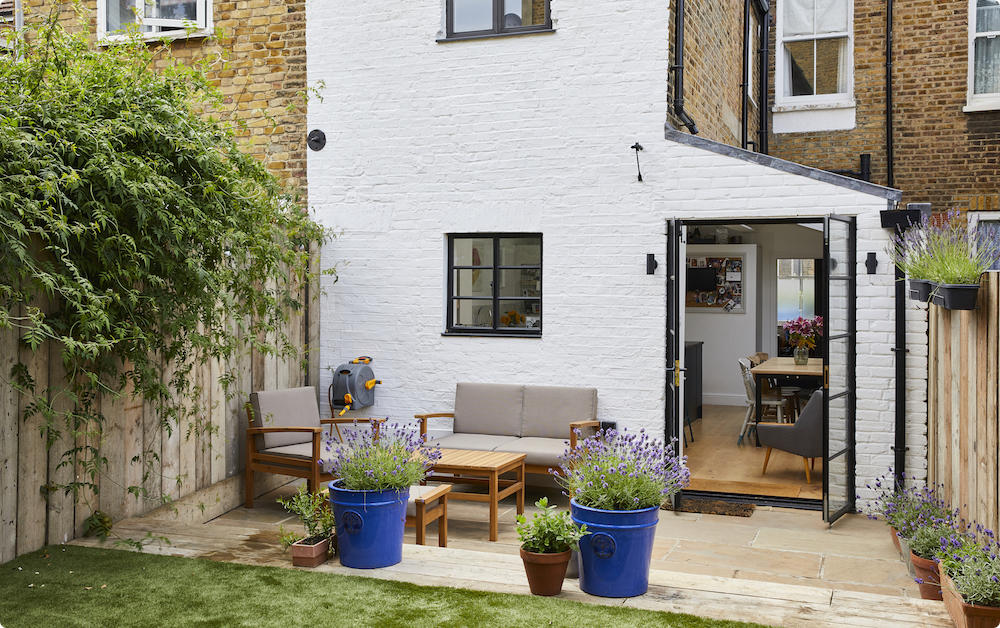
Well, now your garden is looking the part, you should give yourself every opportunity to experience it, even when inside. One quick way you can do this is by cleaning those windows. Wash them down so your view is unimpeded. Of course, you could always open those windows and have an even better view!
If you feel your home is still not truly connected to your gorgeous garden, you may want to consider a bigger project, one that has a more substantial effect on your home. Adding another window or going big with glass to ceiling bi-fold doors are just a few examples of architectural projects you could pursue to better connect to your outdoor space.
If you want to find out more on how to make your home connected, read our ‘making your home connected’ blog, or for advice from one of our professionals, book a free consultation via our website.