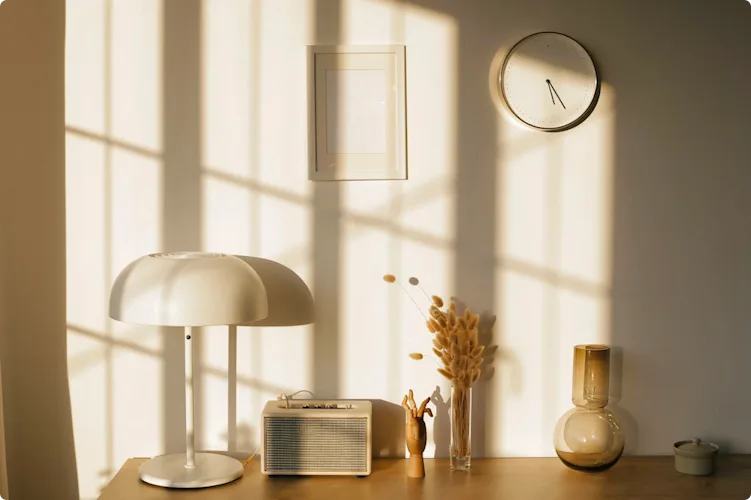
Natural light in interior design
The benefits of natural light are plentiful and significant. It can provide us with Vitamin D that’s vital for bone health and can also help ward off or soothe seasonal depression. Natural light can also improve sleeping patterns by regulating your circadian rhythm (this is the internal system that conducts your sleep-wake cycle approximately every 24 hours).
Interior design is the art and practice of enhancing the interior appearance and health of a building. Naturally, light is a key consideration for interior designers and architects alike.
 © Matt Gamble
A window into the role of light in design through time
You only need to track how window trends have changed in UK housing over time to track the evolution of natural light in architecture and design.
If you go back in time as far as the 16th century, windows were directly linked to wealth and it was only prosperous households that could afford the glass that reduced heat escaping through. Windows at this time – particularly larger styles – were indicative of privilege and also suggest that natural light was a coveted asset to a home. This was mirrored in the window tax, introduced in 1696, that encouraged those who couldn’t afford to pay it to brick up their windows – a relic of harsher times that we still see left over from harsher times today.
Window glass wasn’t mass-produced until the 19th century and it took until the 20th century for sash windows in regular houses to be popularised. The rollout was swift and the appetite for natural light was undeniable.
To this day, the presence and amount of natural light in properties remains a huge selling point. But we’re a long way from single, simple sashes. The aesthetic demands on the humble window have escalated and snowballed to include skylights, entire glazed extensions and even bifold doors. So what’s it all about?